Meeting H1 insulation requirements comes down to flexibility – doing different things in different parts of the building envelope. Whether that's the roof, wall, slab or slab edges, PrimeTherm ERS (Energy Return System) PIR Insulation Board from Masons delivers maximum insulation at minimum thickness.
PrimeTherm ERS delivers maximum R-value at minimum thickness
Case Study
|
April 15th, 2026
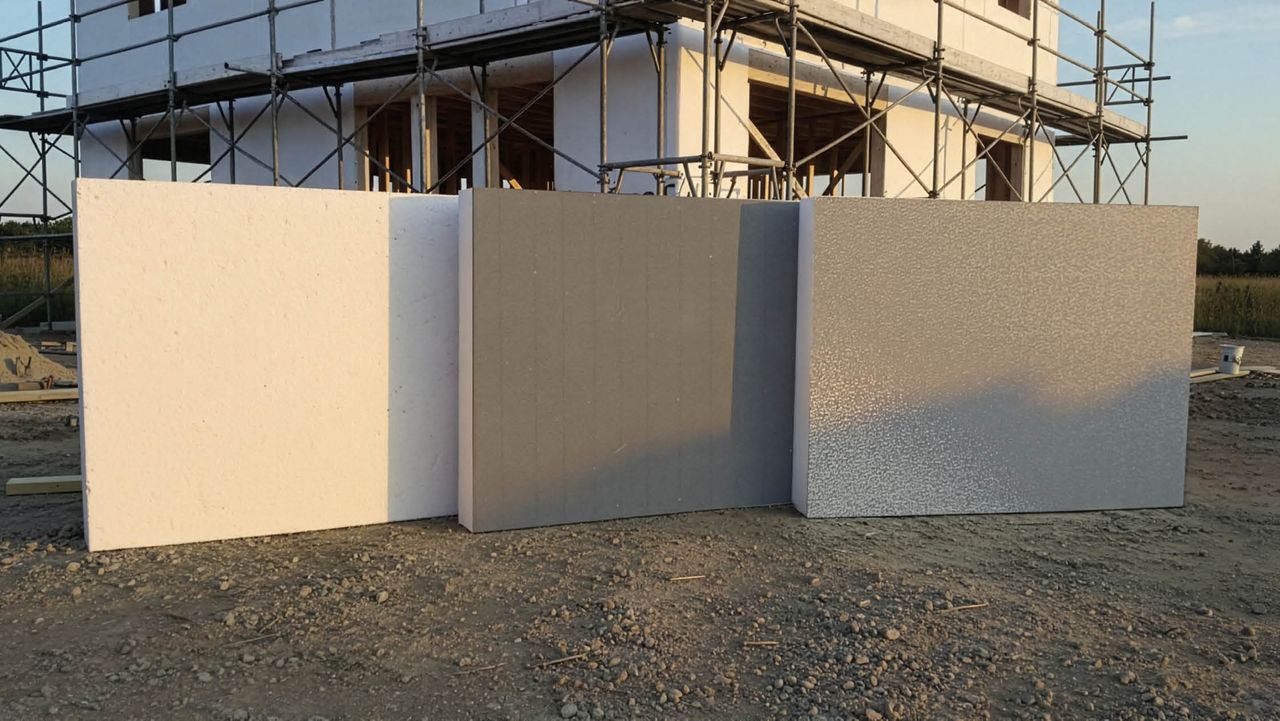
‘When designers are working out how much insulation they need to hit their H1 targets, material thickness is a factor, which is where PIR board comes in,’ explains Masons’ Technical Manager Arthur Whitfield.
For any given thickness, PIR board offers a significantly higher R-value than virtually any other material. ‘Its superpower really comes down to its nature. It’s a rigid foam product with millions of tiny air pockets. That physical structure is what gives it such strong thermal resistance.’
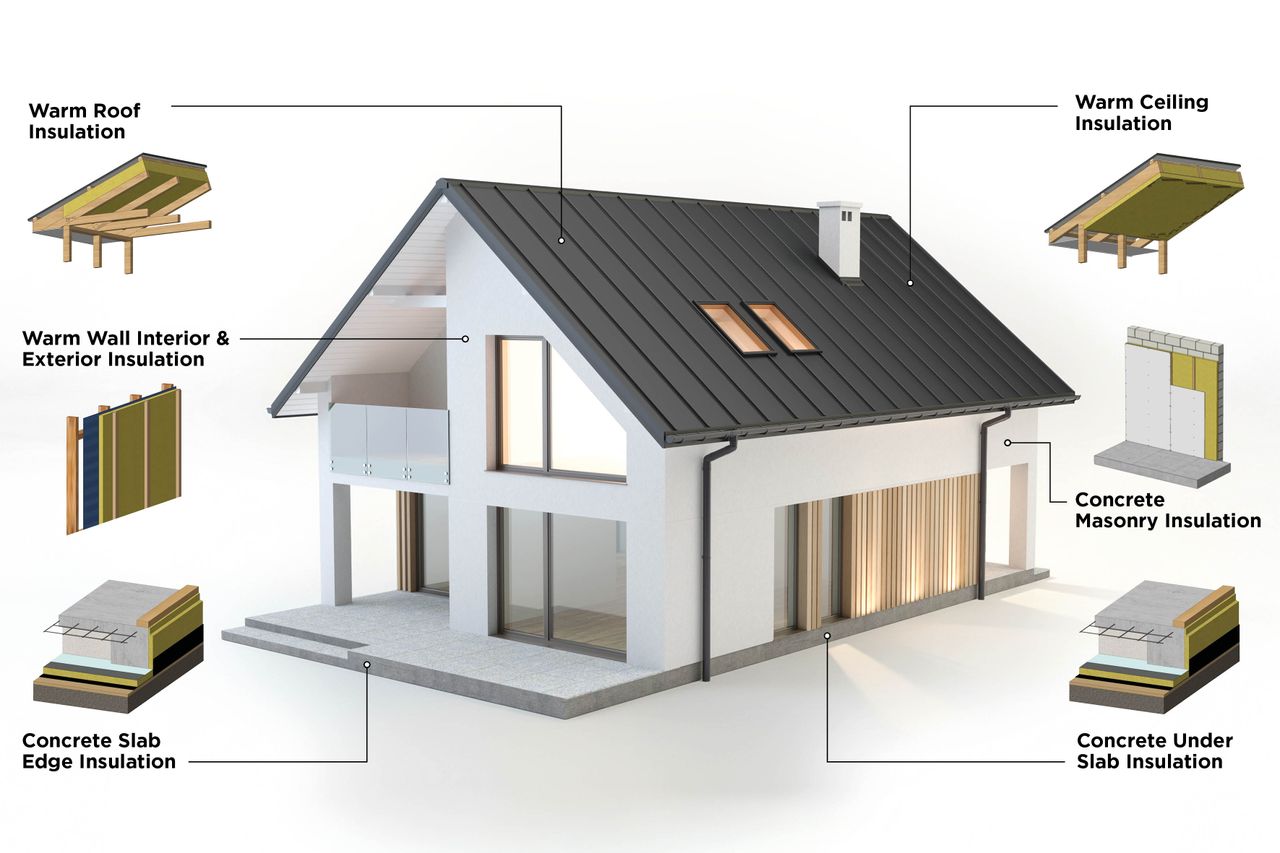
Rigid, stable and moisture resistant
PrimeTherm ERS PIR Insulation Board combines high thermal performance with a rigid, lightweight panel. Its closed-cell structure provides excellent moisture resistance, compressive strength and long-term dimensional stability, supporting performance across all building types and conditions.
‘PrimeTherm achieves high thermal performance in a thinner profile, which makes it attractive wherever space is tight,’ notes Arthur. ‘Compare it with glass wool or polyester at 90 mm – PIR board will give you greater thermal resistance at that same thickness or the same thermal resistance with less material depth.’
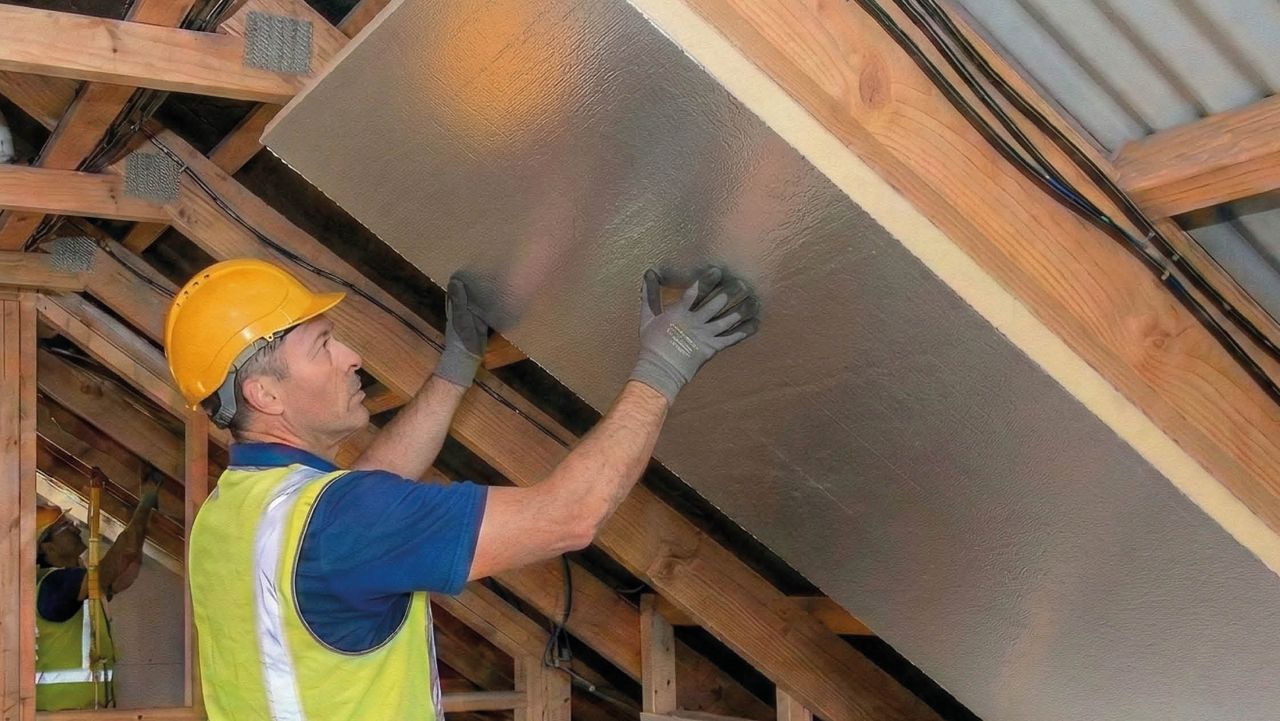
Warm roofs, warm ceilings
Masons PIR boards can be installed across almost every part of a building – roofs, ceilings, walls, and under and around concrete floor slabs. ‘In residential builds, PrimeTherm is well suited to warm roof construction. Because it sits above the roof framing, it shifts the dew point to the outer face of the PrimeTherm board, keeping the roof cavity and the lofted insulation at ceiling level dry. Add a passive roof ventilation system and you get optimal condensation control under the cladding, as any residual moisture-laden air can escape before it causes damage.’
‘There’s also the warm ceiling application, where PIR board is fitted at the ceiling line, typically underneath the trusses or rafters, with purlins or battens fixed below. It’s a more specialised design, used in builds where thermal efficiency and airtightness are a genuine priority.’
A problem-solver for H1 compliance
PrimeTherm ERS is available in raw, glass cloth or foil facings, in thicknesses from 20 mm to 150 mm, plus a pre-shaped slab edge board at 22 mm. Tested R-values range from 0.99 at 22 mm to 5.41 at 120 mm, helping designers to meet and exceed NZ Building Code Clause H1 requirements.
‘Once the H1 regulations tightened, and especially once the calculation method became the required method, designers now have to custom design for the specific building’s compliance rather than simply follow a schedule. That’s created real interest in PIR board as a problem-solver in achieving constructed R-values.’
One example: in some South Island projects, group builders are using strips of PrimeTherm ERS around the roof perimeter at the eaves, where the triangular space is often very narrow. Rather than compressing thick lofted insulation into that tight area – risking blocked ventilation and reduced performance – they use PIR board to maintain the air gap while delivering high-efficiency insulation in a thin format.
PrimeTherm’s versatility comes from thermal efficiency, structural integrity and a format that fits well where other products may need thicker framing or other compromises – across roofs, ceilings, walls and slabs. For H1 compliance, that combination makes PrimeTherm ERS a problem-solver for thermal performance and the design constraints that come with it.
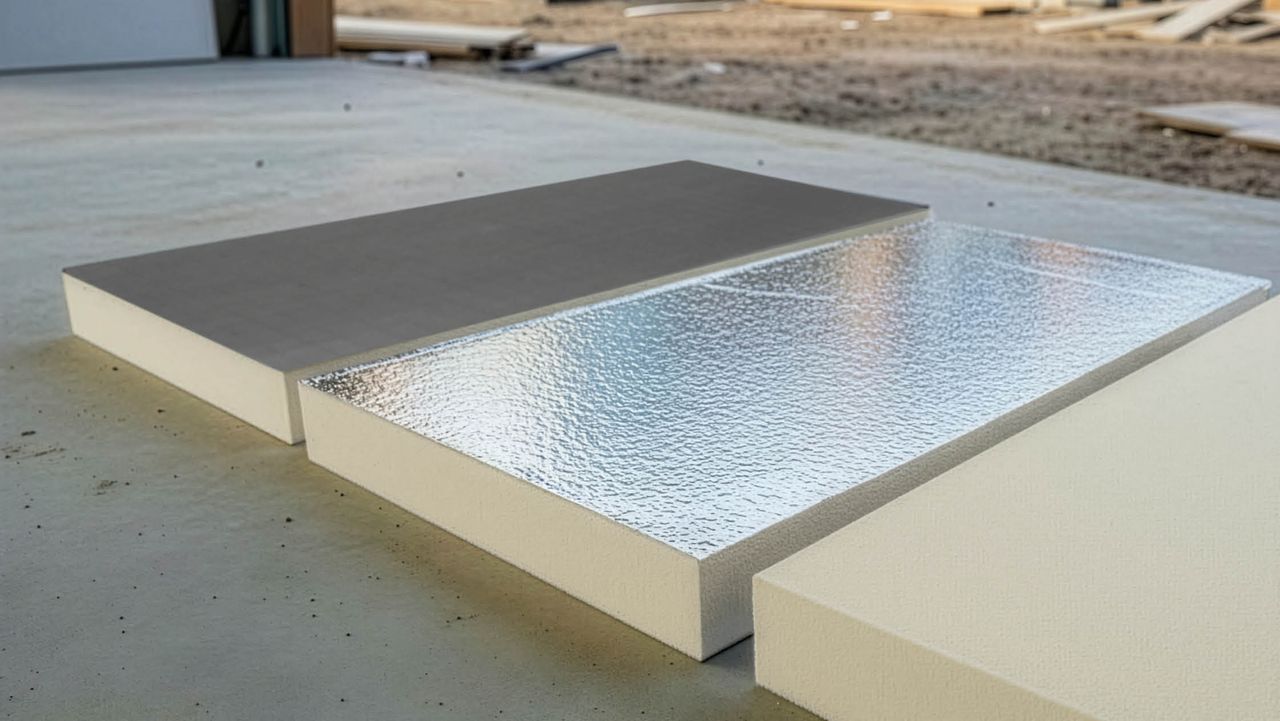
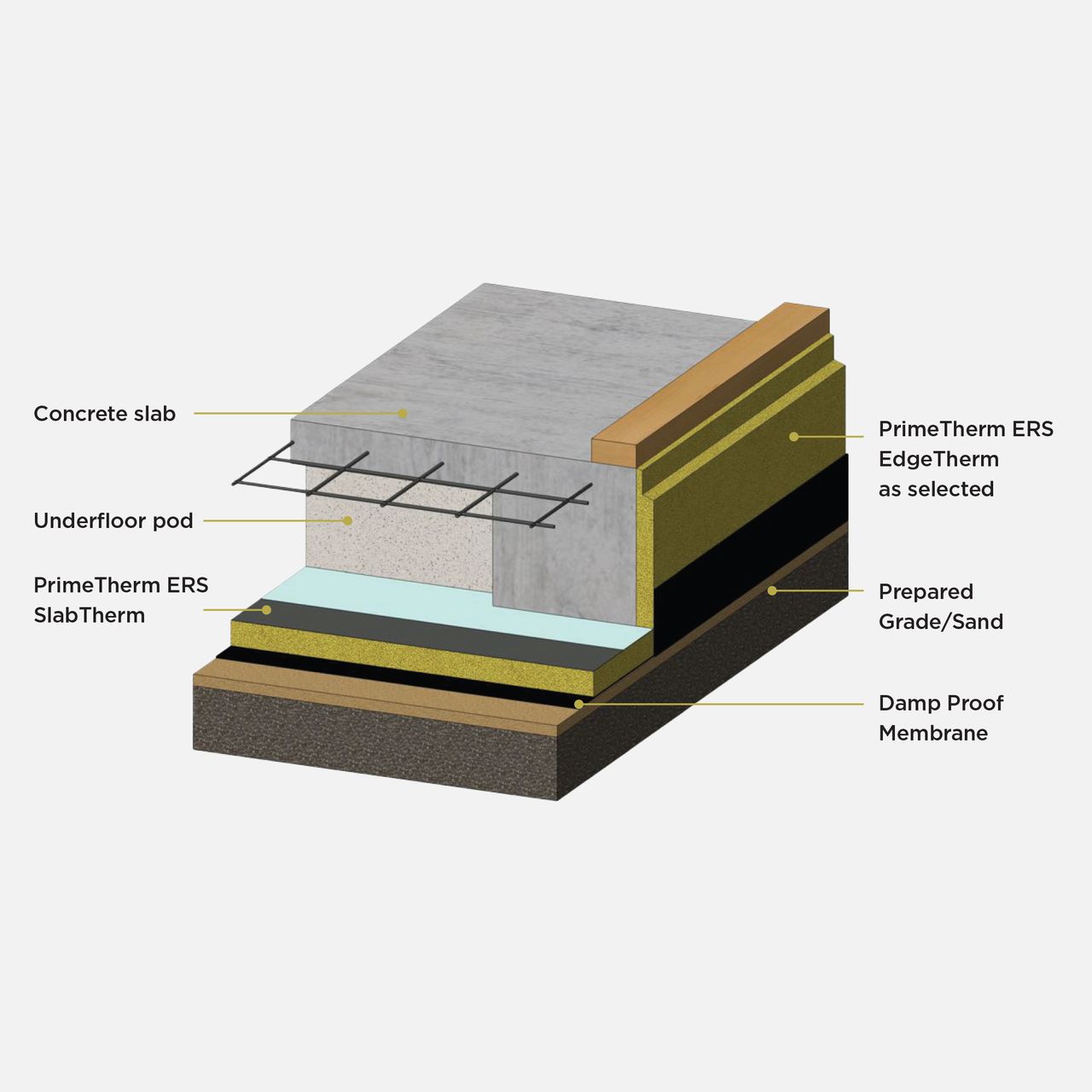
PrimeTherm ERS EdgeTherm
PrimeTherm ERS EdgeTherm boosts slab thermal performance, reducing heat loss and energy costs while improving comfort in NZ homes. Ready for plaster application following concrete pour.
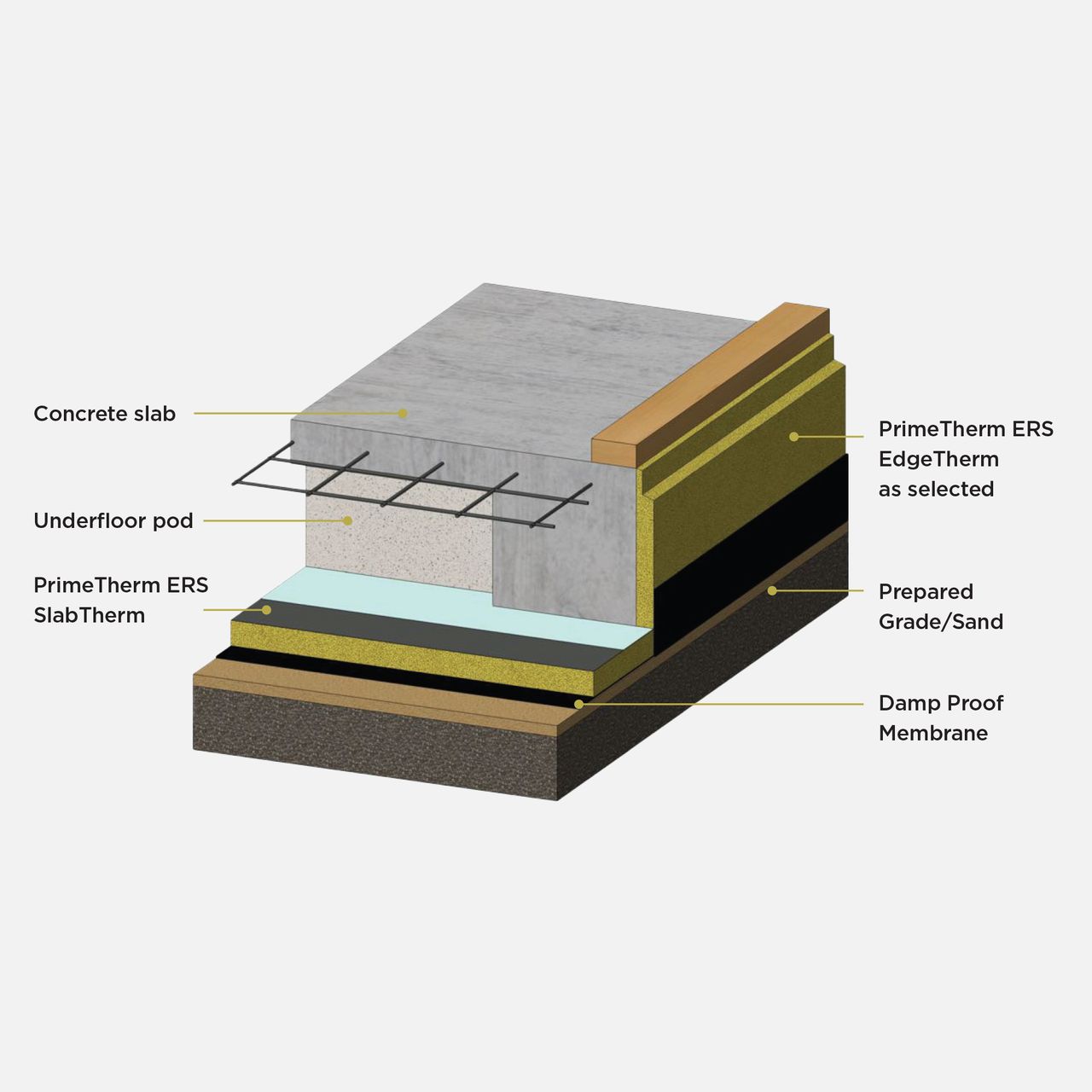
PrimeTherm ERS SlabTherm
PrimeTherm ERS SlabTherm combines strength and efficiency in one advanced insulation solution. Designed for residential and commercial concrete slab applications in New Zealand conditions, it increases thermal performance by protecting the concrete slab from heat loss.
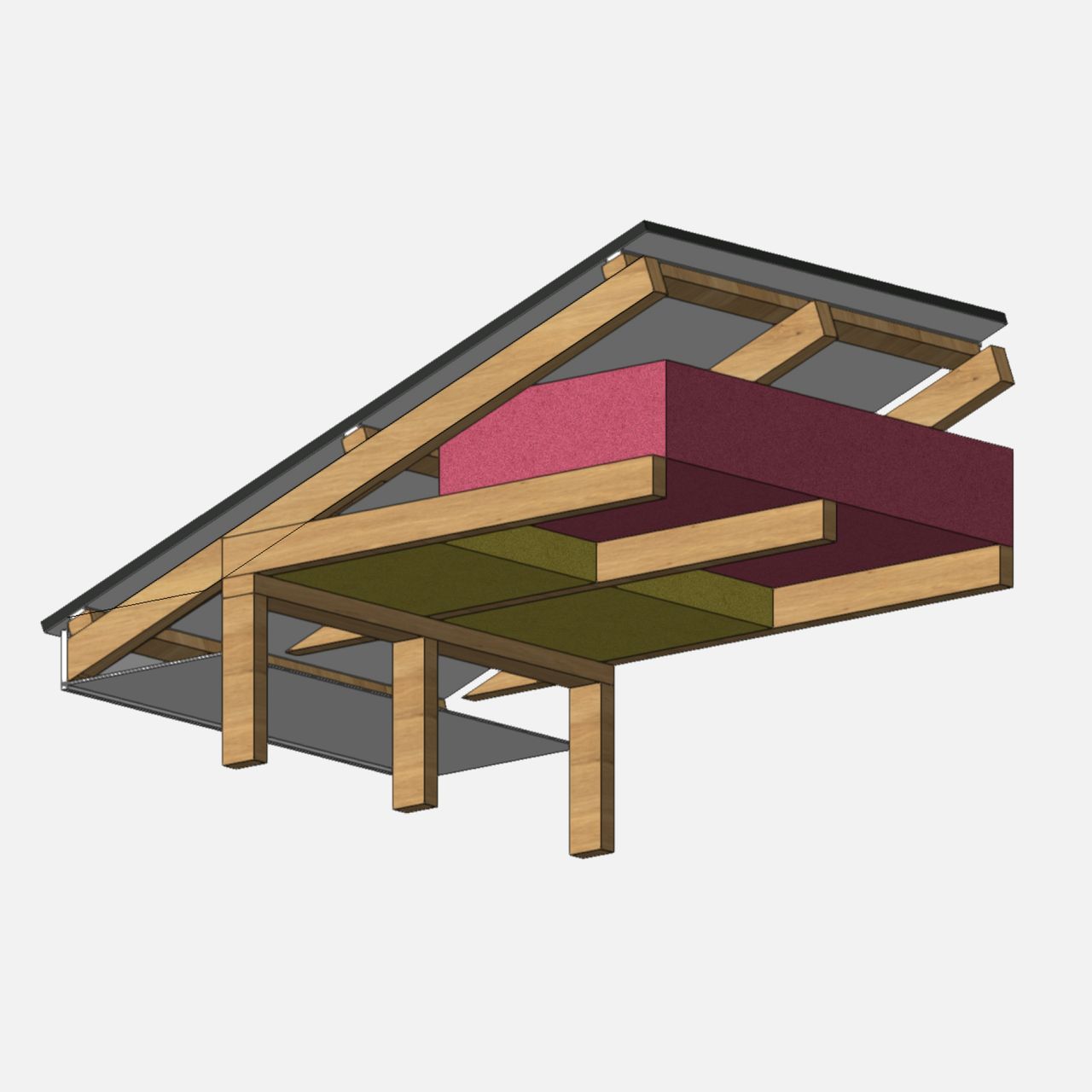
PrimeTherm ERS WarmCeiling
PrimeTherm ERS WarmCeiling delivers high thermal performance for NZ homes, improving energy efficiency, reducing costs, and providing warm, dry year-round comfort.
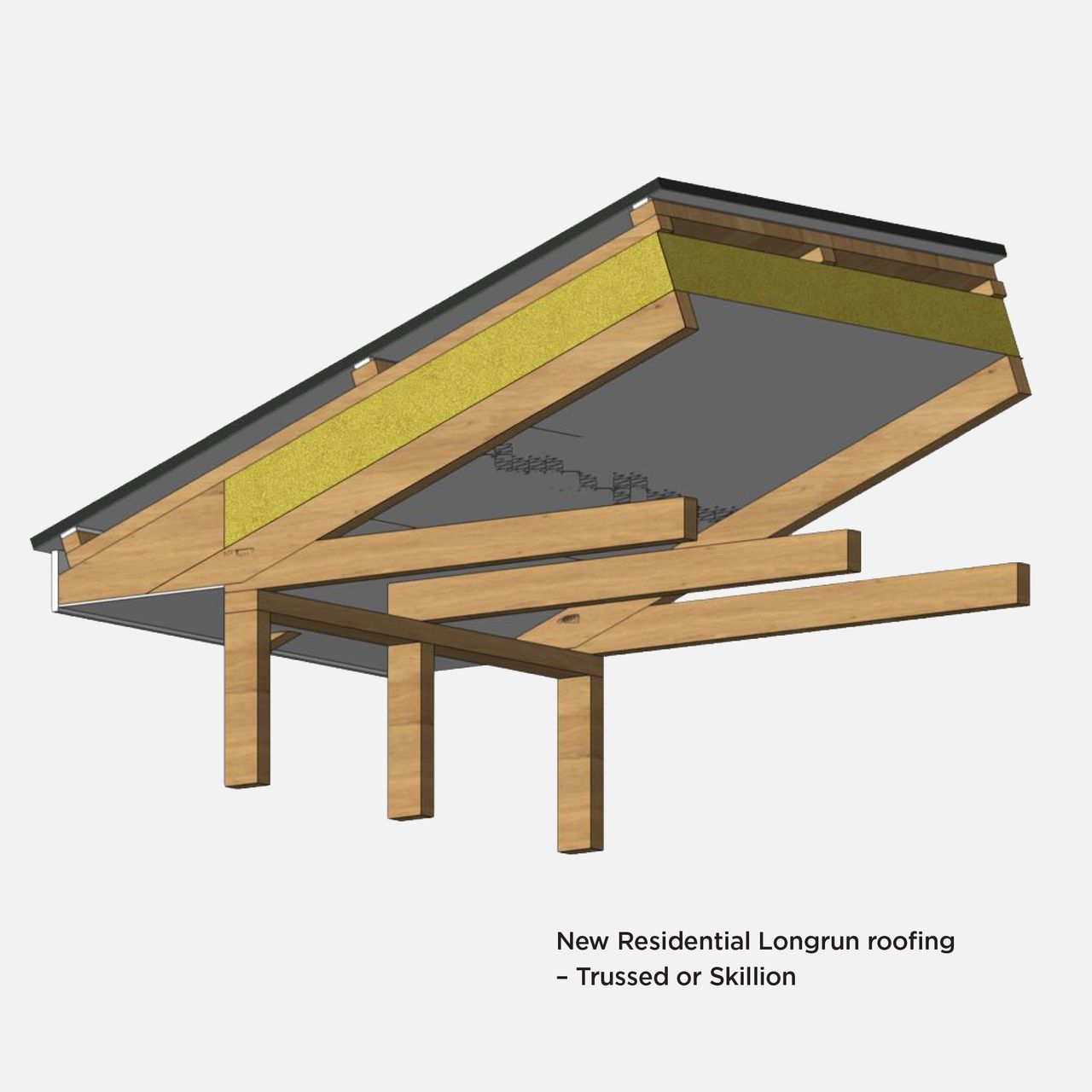
PrimeTherm ERS WarmRoof
PrimeTherm ERS WarmRoof delivers high-performance PIR insulation above the roof deck, reducing heat loss and condensation for year-round comfort and efficiency.
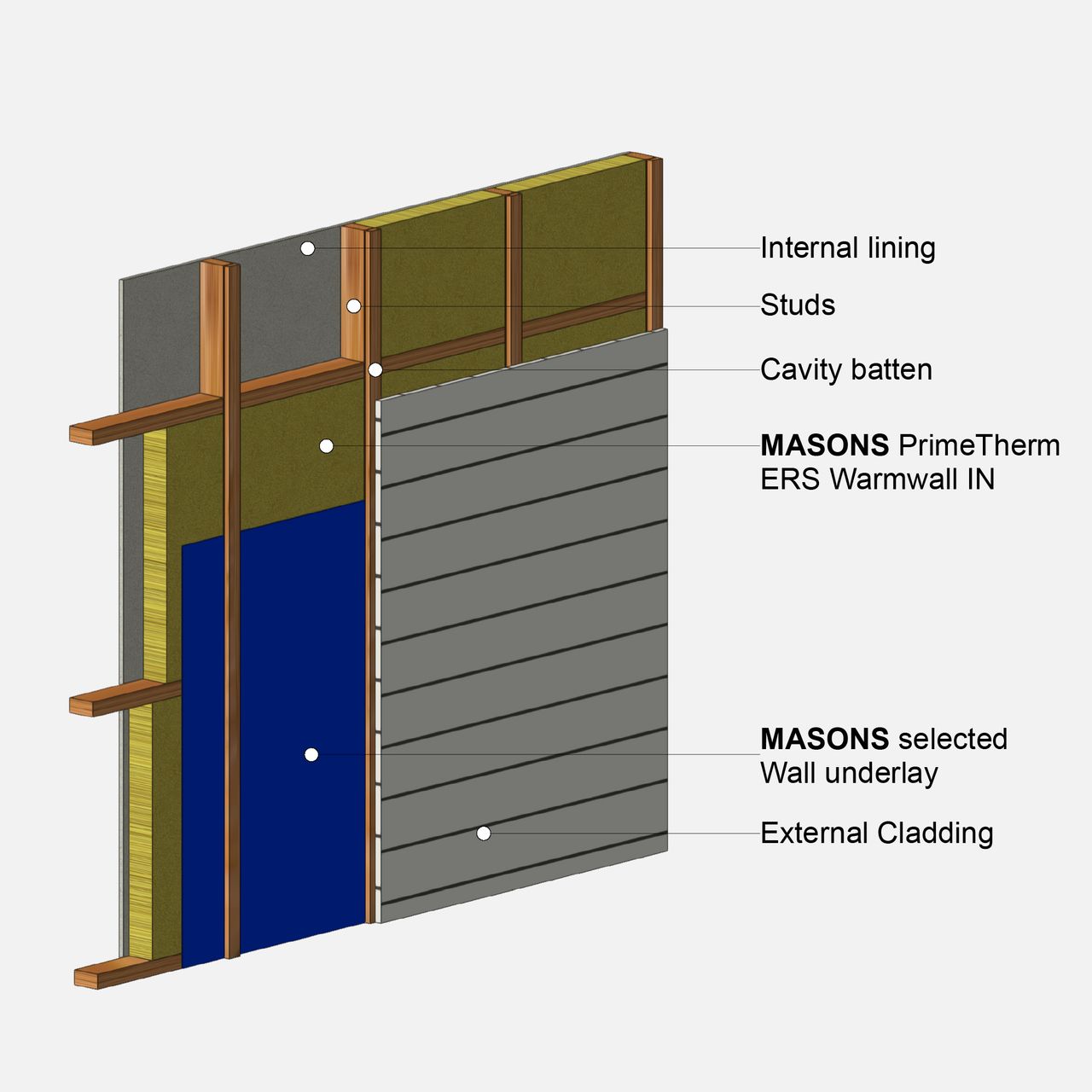
PrimeTherm ERS WarmWall IN
PrimeTherm ERS WarmWall IN is a high-performance PIR insulation board designed to be installed between timber or steel wall framing members.
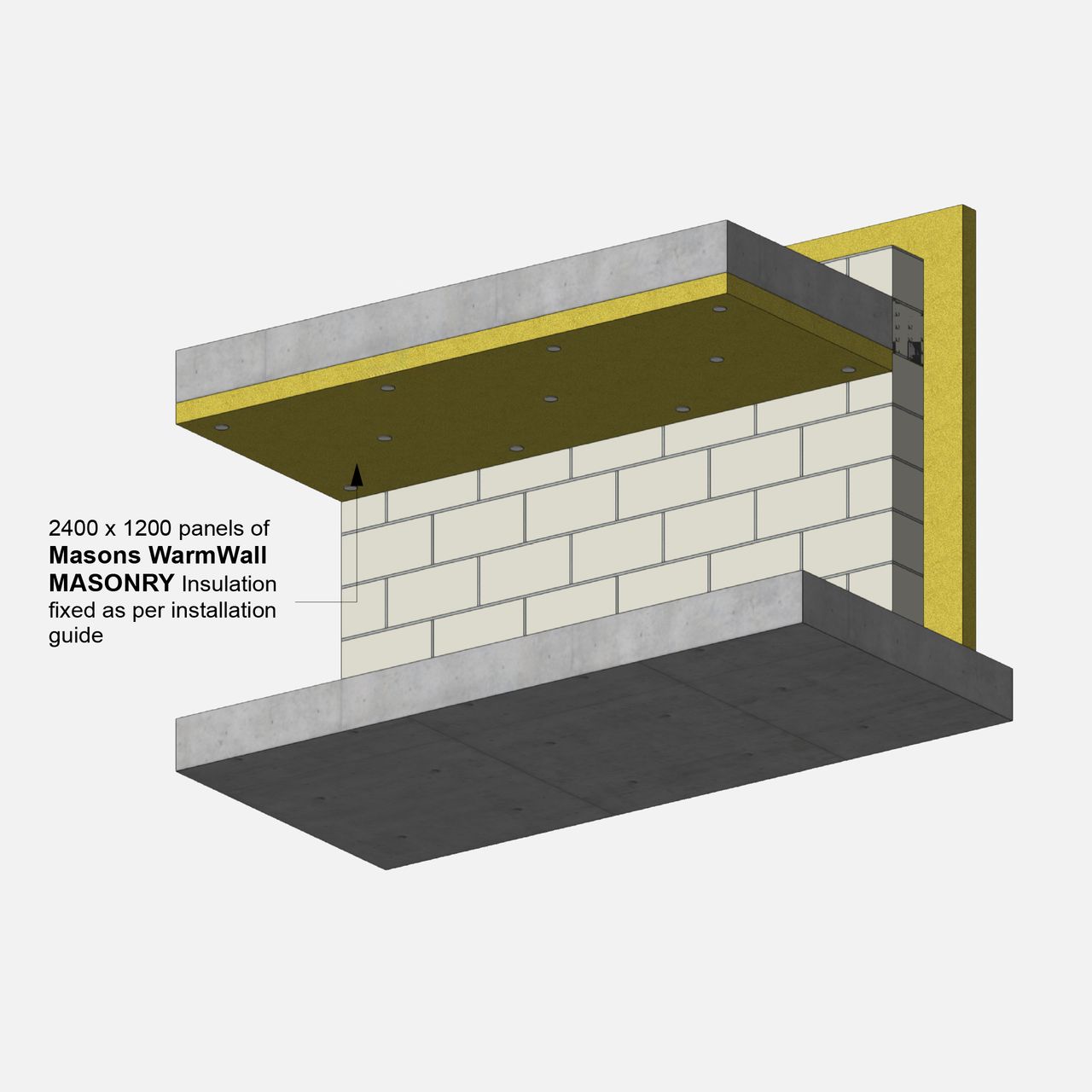
PrimeTherm ERS WarmWall MASONRY
PrimeTherm ERS WarmWall MASONRY is a rigid PIR insulation solution designed for insulating the internal face of concrete and masonry walls and soffits.