As New Zealand homes become more energy efficient and airtight, Passive House principles are playing a growing role in sustainable building design. But sustainability is about more than reducing energy use, it’s also about creating healthier, longer-lasting homes that continue to perform well over time.
Passive House and Sustainability: Why Ventilation Matters
Case Study
|
May 15th, 2026
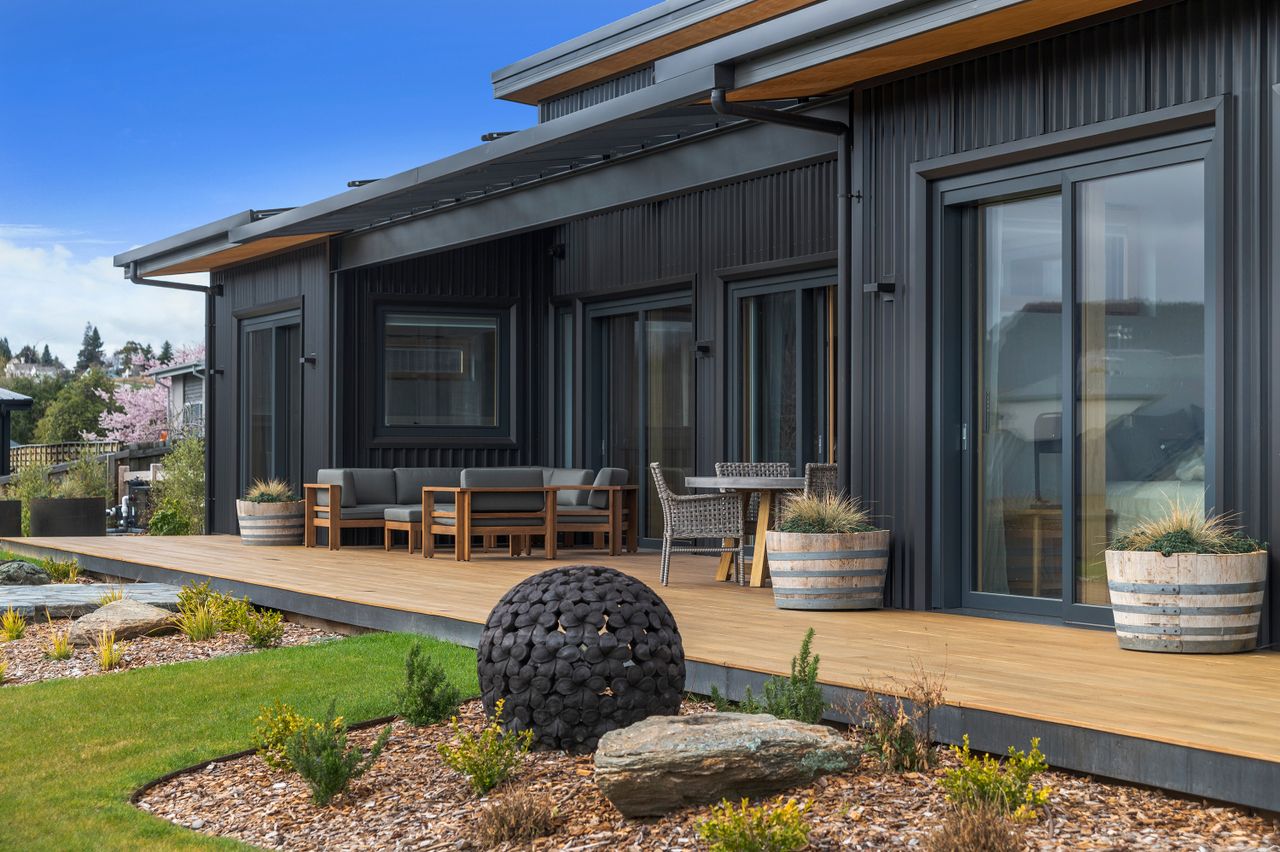
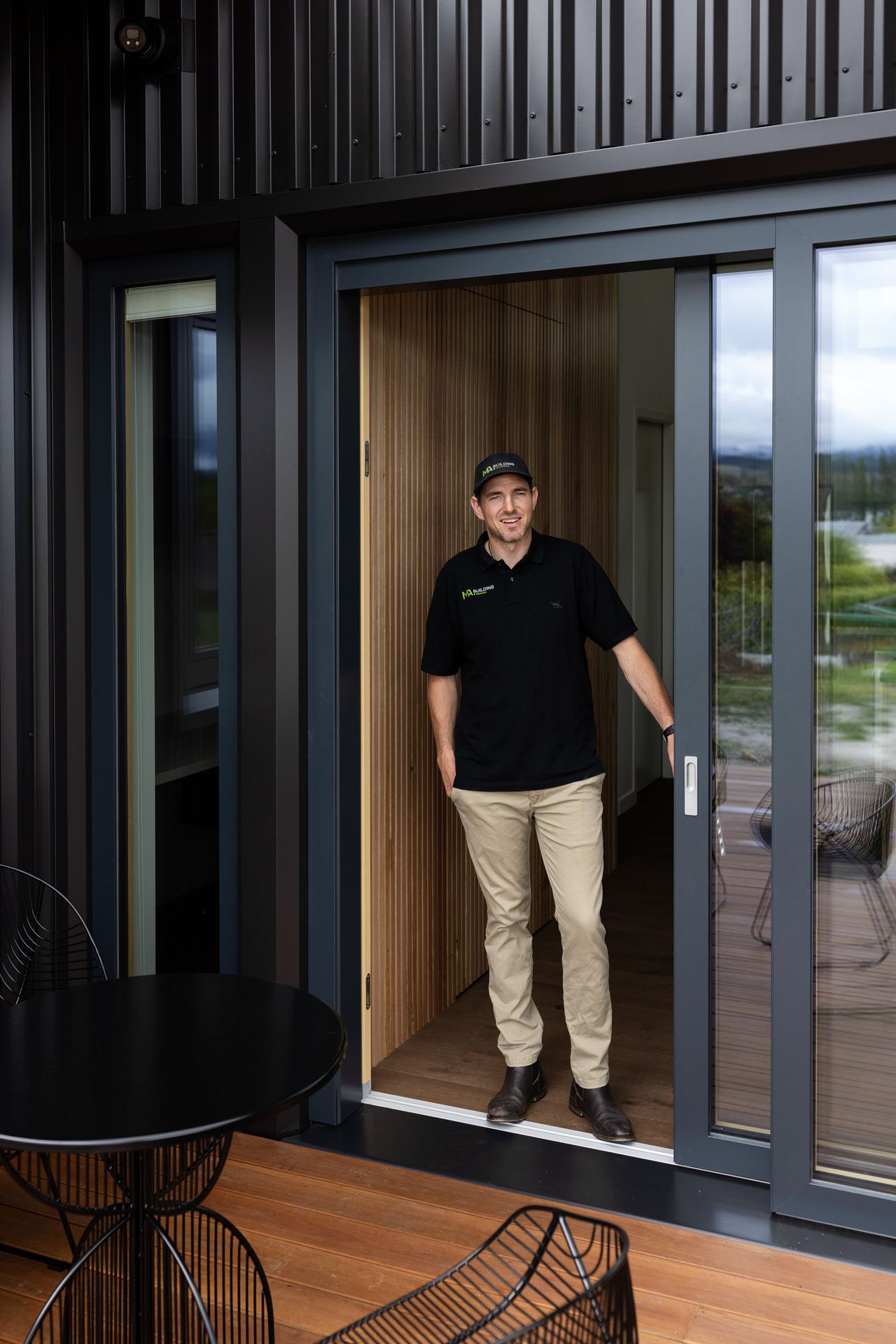
In an interview on the future of Passive House design, Mark Anderson from MA Building explained that “Passive House isn’t just about efficiency,” but about creating homes that “improve quality of life” while supporting a “more sustainable future.”
Modern construction methods now place a strong focus on thermal performance. Improved insulation, high-performance wraps, and stricter H1 requirements all help reduce heating and cooling demands. However, tighter building envelopes can also increase the risk of trapped moisture if ventilation is not properly managed.
Without adequate airflow, warm moist air can build up inside roof cavities, potentially leading to condensation, mould growth, moisture damage, and reduced insulation performance. This is why ventilation is becoming an increasingly important part of sustainable construction.
As Arthur Whitfield, Masons NZ Sales & Technical Manager, explains, sustainable building design should consider “every element and space of a building” and how they work together as a complementary system. In modern high-performance homes, improving airtightness and insulation is only part of the equation. Moisture management and ventilation also need to be carefully considered to support the long-term durability of the building envelope.
“If we don’t keep insulation dry, we undermine its performance - wet insulation does not reach the projected R-values,” says Arthur.
While Passive House design often focuses on internal mechanical ventilation systems, roof space ventilation also plays a critical role in supporting the overall health and performance of a building.
The Masons Passive Roof Ventilation System is designed to help manage airflow naturally within roof cavities. Using passive airflow principles, the system allows warm, moisture-laden air to escape while drawing cooler, drier air into the roof space. Combining roof vents, ventilated roof battens, and Insul-Baffle components to maintain continuous airflow through the roof cavity. By helping reduce condensation risk, the system supports the long-term performance of insulation, roofing materials, and timber framing.
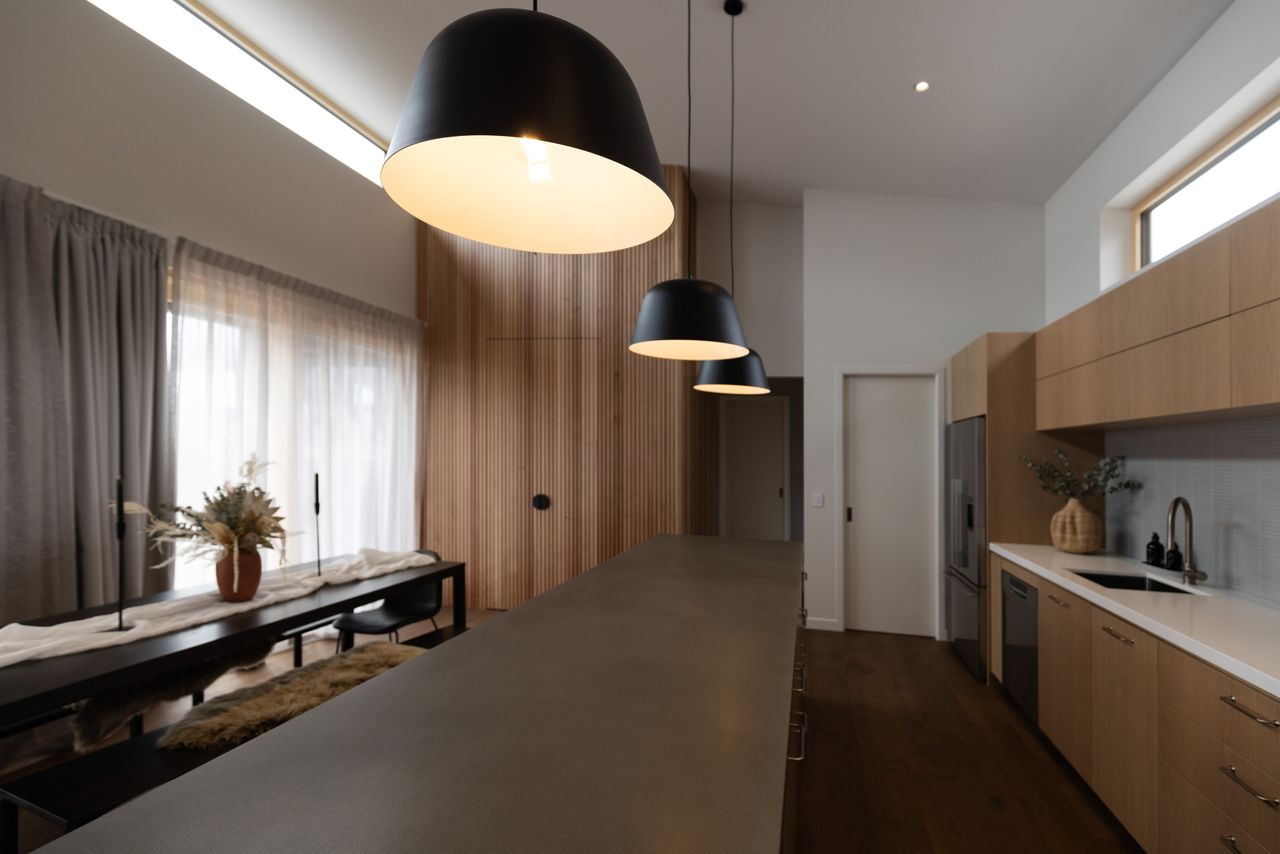
This aligns closely with Mark Anderson’s view that sustainability should also be measured by longevity. In the interview, he explained: “If a material fails and needs to be removed and replaced, that’s not sustainable.” This reflects a broader shift happening across the industry. Sustainable homes are no longer judged solely on energy savings, but on how well they manage moisture, maintain healthy indoor environments, and stand the test of time.
As homes continue moving toward higher-performance standards, passive ventilation systems are becoming an important part of the conversation. When combined with quality insulation, airtight construction, and careful detailing, roof cavity ventilation helps create homes that are healthier, more durable, and better prepared for the future.
As Mark Anderson puts it, it’s about “setting a higher standard” and ensuring homes are “truly built for the future.”
PROJECT CREDITS
System: Masons Passive Roof Ventilation System
Builder: MA Building
Writer: Masons
Talk to the Masons team
For more information on Masons systems and products, including installation and compliance documents, visit mpb.co.nz or call 0800 522 533 to speak with one of our team.